

Encrypted in your browser. Gone when the timer ends.
Every watermark, every share link, every expiry window is computed locally. No file ever reaches our servers in readable form.

From upload to self-destruct
01 — Upload locally
Select a PDF, JPG, or PNG. The file is read entirely within your browser using client-side APIs. Nothing is transmitted to any server at this stage.
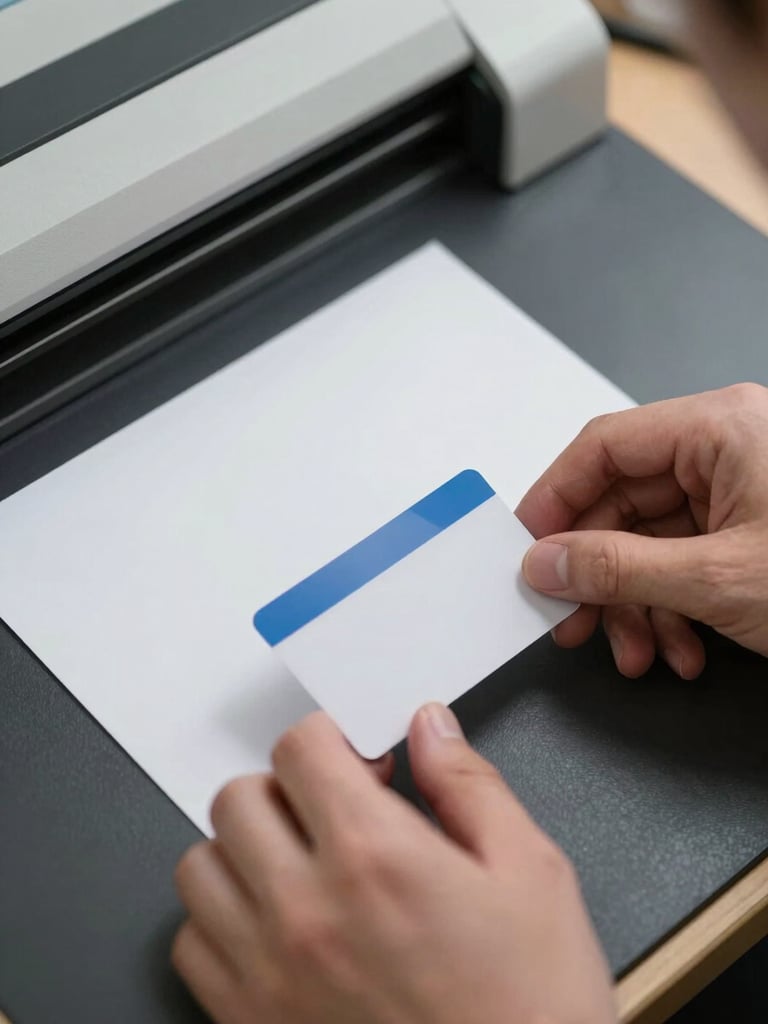
02 — Watermark applied
A forensic watermark encoding the recipient's identity is rendered directly onto the document pixels in-browser. It cannot be cropped or cloned out.
03 — Set the expiry window
Choose 1h, 8h, 12h, or 24h. A one-time encrypted share link is generated locally. The expiry is baked into the link's cryptographic signature.
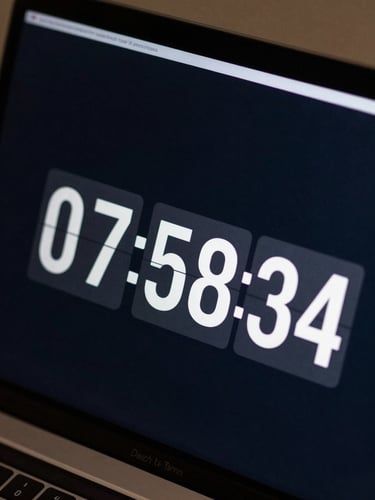
04 — Link stops existing
When the timer expires the decryption key is destroyed. The link resolves to nothing. No cached copy, no server record — the document is unreachable.
Three guarantees the architecture enforces
Client-side encryption
Watermark enforcement
Zero-log policy
Each watermark layer encodes a recipient fingerprint. Unauthorised screenshots are traceable to a specific share event — not a generic leak.
No share events, no access timestamps, no IP records are written anywhere. There is no audit trail because there is no server-side session.
AES-256 encryption runs entirely in your browser. The plaintext file never traverses a network connection in decrypted form.
The architecture is the proof.
No promises to read. No trust to extend. Run it yourself and watch what doesn't leave your device.